Field service software for equipment dealers
Keep your business system. MSPLift is the technician's day, with or without a signal, feeding your work orders without re-keying. It stays when the office system changes.
field service

offline working
Keeps working when the signal does not
Basements, coolers, the back of a plant, remote yards. Coverage drops and the job carries on.
Most field service software assumes a connection. Equipment does not break in places with good coverage.
Why it is a switching trigger
This is the single capability dealers name when they explain why they moved. Everything else can be worked around. This cannot.
What the technician sees
No holds, no spinners, no error screens, no re-entry. The experience is the same whether there is a signal or not, which is the point.

work orders
Work orders, opened in the field
No call to the shop. No number read back down the phone. No typing the same details in twice.
The single biggest change dealers describe is this one. The technician stops depending on someone at a desk to start the job.
What it replaces
Pulling up a form, calling the dispatcher, waiting while she opens a work order, having the number read back, then transferring all of it in and typing everything again.
Why it matters
Twenty minutes at the start of every job, multiplied by every technician, every day. And a dispatcher who spends her morning opening work orders instead of dispatching.

invoicing
Invoices out in 24 hours, not three weeks
Billing goes out while the visit is still fresh with the customer, because the paperwork is already done.
This is the number that gets a dealer principal’s attention. Weeks of working capital, released.
On the customer’s side
Their accounts payable clerk receives an invoice with the detail and signature attached, so it can be matched and approved without a phone call.
On your side
Cash collected weeks earlier, and a much shorter argument when something is queried. The evidence was captured at the machine.

equipment history
Every machine’s history, before the job starts
What was done last visit, what was flagged for next time, and the documentation to go with it.
A technician who knows what happened last time fixes it right this time. This is the difference between a repair and a repeat visit.
Mixed-brand fleets
Dealers carry dozens of manufacturers. One record per machine, whatever badge is on it, so a technician is never guessing because the unit came from a different line.
It compounds
Every job makes the next one faster. The record gets better the longer you run it, and it stays with the machine even when the technician who wrote it has moved on.

parts and stock
Parts availability, checked from the field
Including what is already sitting on the van, without calling the parts counter to ask.
Parts is where service margin is won or lost. Capturing consumption at the point of use is what makes the numbers real.
For the parts department
Van stock reconciles because it was captured at the point of use, not remembered at the end of the week. Usage data reflects what actually went on machines.
For margin
Field parts capture with cost controls is the difference between a job that looks profitable and one that is. Nothing gets fitted and forgotten.

Labor and time
Labor posted as the work happens
Not reconstructed from memory on a Friday afternoon, when the detail has already gone.
Labor recorded days later is labor recorded wrong. Posting it live changes what every downstream number is worth.
What accurate labor is worth
Service margin, technician productivity and work-in-process reporting all rest on this number. Reconstructed hours make all three unreliable at once.

photos and notes
Photos and notes, captured on site
Evidence attached to the job while the technician is still standing in front of the machine.
A photograph settles an argument that a paragraph cannot. It also settles a warranty claim and a disputed invoice.
Downstream
Warranty administrators get documented claims. Billing gets fewer disputes. Safety gets a record. None of them had to ask for it.
For technicians coming off paper
Crews joining from an acquired dealership describe on-site photo capture as one of the clearest differences. Nothing to carry, nothing to lose, nothing to write up later.

customer signature
Signed on the tablet, before you leave
No carbon copies, nothing to carry back to the office, nothing to lose on the way.
The signature is what turns finished work into a billable job. Getting it on site removes the whole paper journey behind it.
The paper cost is only half of it
The saving on printed work orders is real. The bigger number is the invoice that no longer waits for paper to travel from a truck to a desk.
Fewer disputes
A signature with the work detail attached settles most queries before they become one. The customer signed for what they are being billed for.

dispatch
Dispatch, planned on one board
Schedule the day graphically and watch the whole department run in real time.
When technicians open their own work orders, dispatch stops being an order-entry desk and starts being dispatch again.
The capacity gain
Administrative leverage is the quietest benefit here and one of the largest. The same office team supports a much bigger field team.
Work in process
A service manager is measured on WIP. Seeing every open job and where it is stuck, live, is what makes that number manageable rather than historical.

close-out
Closed, and everyone knows
The customer, dispatch and the product support rep are notified the moment the job is submitted.
Closing a job used to mean someone at a desk finding out it had happened. Now everyone who needs to know is told.
For the product support rep
Your PSR knows what happened at their account before the customer rings to talk about it. That is a different conversation from the one that starts with being caught out.
Nothing to chase
No end-of-day round-up, no asking which jobs closed. The notification is the record, and it goes out the moment the technician submits.
fleet management
available on its own
You do not need the rest of the platform
Fleet management is sold on its own. Track cost, utilization and service history across every machine you hold, without moving your service department onto MSPLift first.

service requests
Scan the machine, raise the request
A code on the asset opens its history and raises a service request in seconds, from any phone.
The fastest service request is the one raised by the person who found the problem, at the moment they found it.
No login, no phone number
The operator standing next to a machine that has stopped does not need an account or a number. They scan and report, and the right people know.

cost per hour
The true cost of every hour
Parts, labor and downtime rolled into one number you can compare across the whole fleet.
Purchase price is knowable on day one. Cost per hour is the number that decides whether the purchase was right.
For guaranteed maintenance
Where the dealer carries the cost risk, cost per hour is how contract profitability gets watched. A contract that is quietly losing money looks fine until someone measures it.
Replace or retain
The case for a new machine is easier to make and easier to refuse when the running cost of the old one is on the table.

asset register
Every machine, on one register
Every unit you service, across every site, which is usually where a spreadsheet falls over.
Most fleets are recorded across a spreadsheet, a filing cabinet and somebody’s memory. This is one register.
Roll-ups
See the fleet by company, location or department, down to the single unit. That is usually where a spreadsheet falls over, because each site keeps its own list.
It maintains itself
The register is not a separate job. It is updated by the work already being done in the field, which is why it stays accurate.

utilization
What is earning its keep
Hours worked against hours available, machine by machine, so idle equipment stops hiding.
Fleets grow by accident. Utilization data is how they get right-sized on purpose.
The machine nobody uses
Every fleet has one. It costs the same to own whether it runs or not, and it is almost never the unit anyone would have guessed.

alerts
Managed by exception
Nobody has to read a report to find the problem. The board speaks up when something moves.
Nobody reads the whole report. Exception management means the report reads itself and only speaks up when it matters.
The 80/20
A small share of any fleet drives most of the cost problems. Finding that share by reading reports takes time nobody has. Being told is different.

dashboards
The whole fleet, at a glance
Cost and utilization side by side, split by site, department or ownership.
A dashboard is only useful if it changes a decision. This one is built around the decisions fleet owners actually make.
Nothing to install
Cloud hosted, no on-premise hardware, and no requirement to expose the business system to outside access. IT tends to relax at that point.

reporting
Data out, in a form people can use
Because the people who need it are usually not the people who log in.
The people who need this data are usually not the people who log in. Export matters as much as the dashboard.
Who it reaches
Finance, procurement and the person deciding next year’s fleet budget. None of them will open a service system, and all of them need what is in it.
open work orders
Your customer sees what is being worked on, without a phone call
Which unit, who is assigned and where the job stands, refreshed about every ten minutes.
contract hours
Hours used against hours allowed, as they happen
Most dealers learn a maintenance contract lost money at month end. Here they see it coming.
integrations

your business system
Connects to what you already run
Nothing gets ripped out. Your ERP stays where it is and MSPLift connects your technicians to it.
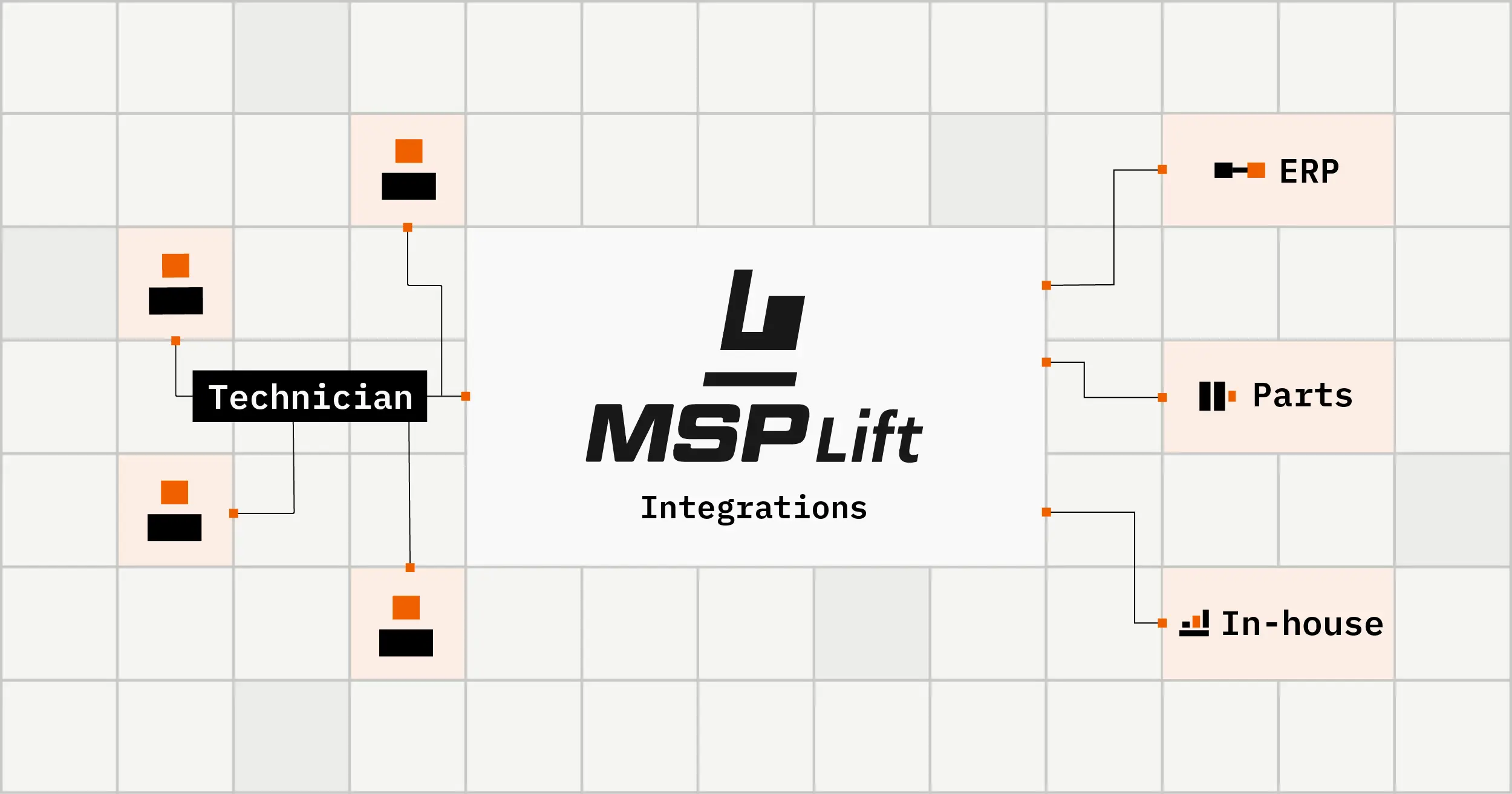
The fastest way to stop a field service project is to tell IT it starts with an ERP migration. This one does not.
Why IT tends to relax
Nothing to host, nothing exposed externally, and no requirement to open the business system to outside access. The objections that usually stall these projects do not apply.
The constant in the field
Dealers have replaced their core business system and kept MSPLift running throughout. The technicians did not notice, which is the outcome you want.


bespoke integrations
Built for the system you actually run
Plenty of dealers run something in-house or unusual. That is a build, and one we have done many times.
Customers consistently describe a flexible and honest response to requests: clear about what is feasible and what is not, rather than over-promising.
A clear no
Dealers tell us the honesty is a reason they stay. A clear no builds more trust than a slow maybe, and it costs everyone less.
The same team
The people who build the software connect it. That is why a change request is a change and not a project handed to someone who has never seen your setup.

Manufacturer data
Equipment data without a second login
A dealer carrying thirty manufacturers should not need thirty portals to service them.
A dealer carrying thirty manufacturers should not need thirty portals to service them.
Fewer clicks per job
Every second portal is a login, a search and a lost thread. Multiply that across a mixed fleet and it is a meaningful part of a technician’s day.

templates
Changed when your people need it changed
Forms and fields shaped to how your dealership works, not how the dealer down the road does.
Every dealership runs a little differently. Software that cannot accommodate that becomes the thing people work around.
Why it matters for growth
Dealers who acquire other dealers need software that absorbs a new way of working rather than fighting it. Templates are how that happens without a rebuild.
No code required from you
Different forms by branch or by work type, changed on request. Your service manager describes what is needed; nobody has to learn a configuration tool.
the company
Fifteen years in this industry, and a team you will know by name
MSPLift was built from inside material handling by people who have done the work. Customers stay for the software, and tell us they stay for the team behind it
customers
Dealers running MSPLift today
MSPLift runs at dealerships across North America, from single sites to national groups with dozens of locations. Two shapes of customer, both served by the same product.
2025 Hyster Dealers of Distinction run their field service on MSPLift
changed business systems and kept MSPLift in the field
of technicians run their day on MSPLift
connecting field service to dealer business systems
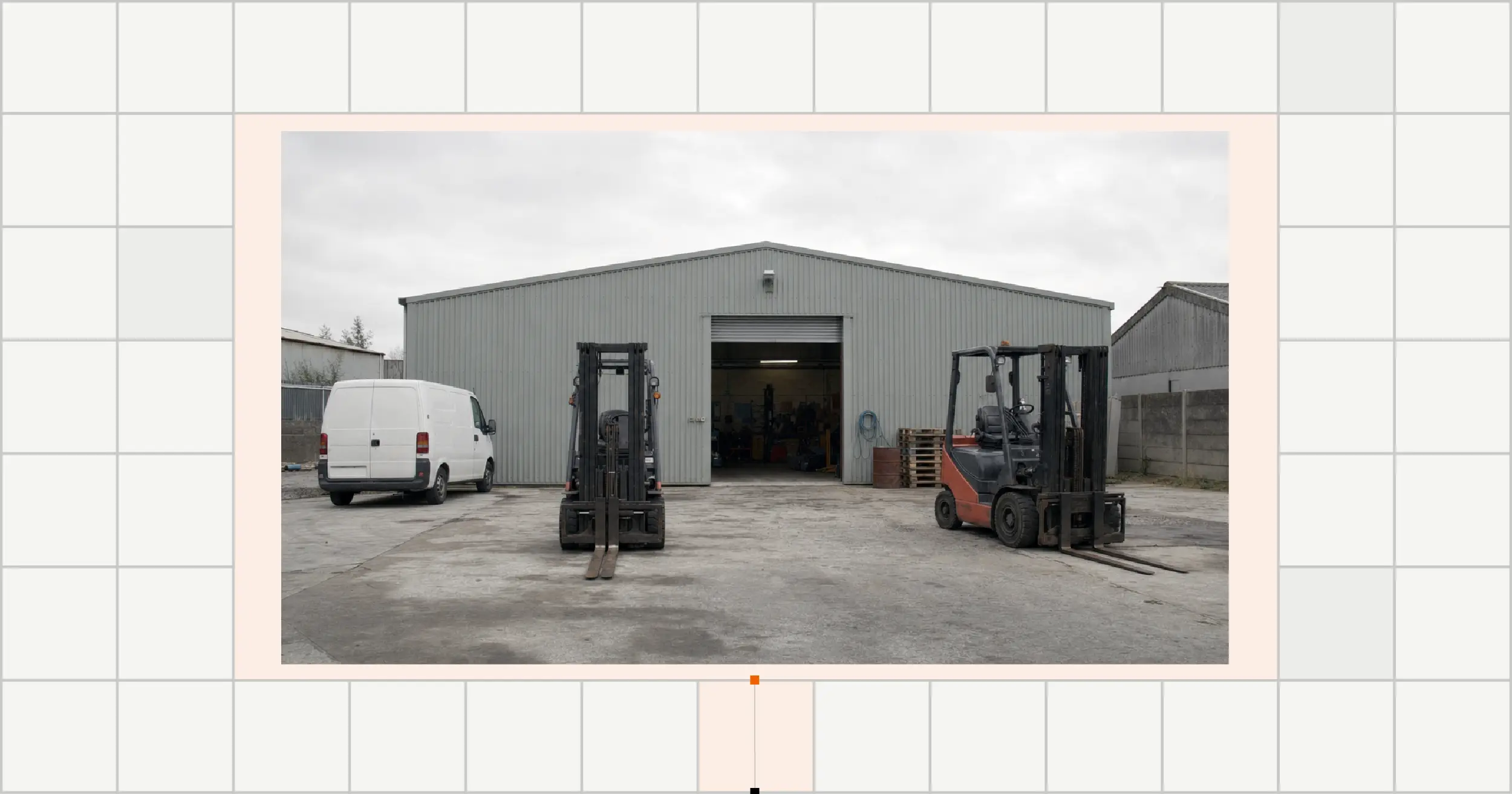
Single-location dealers
One site, one service department, and a service manager who knows every technician by name. Often coming off paper, spreadsheets, or a general-purpose tool that was never built for forklift service. MSPLift gives them what a national group runs, without the overhead of getting there.
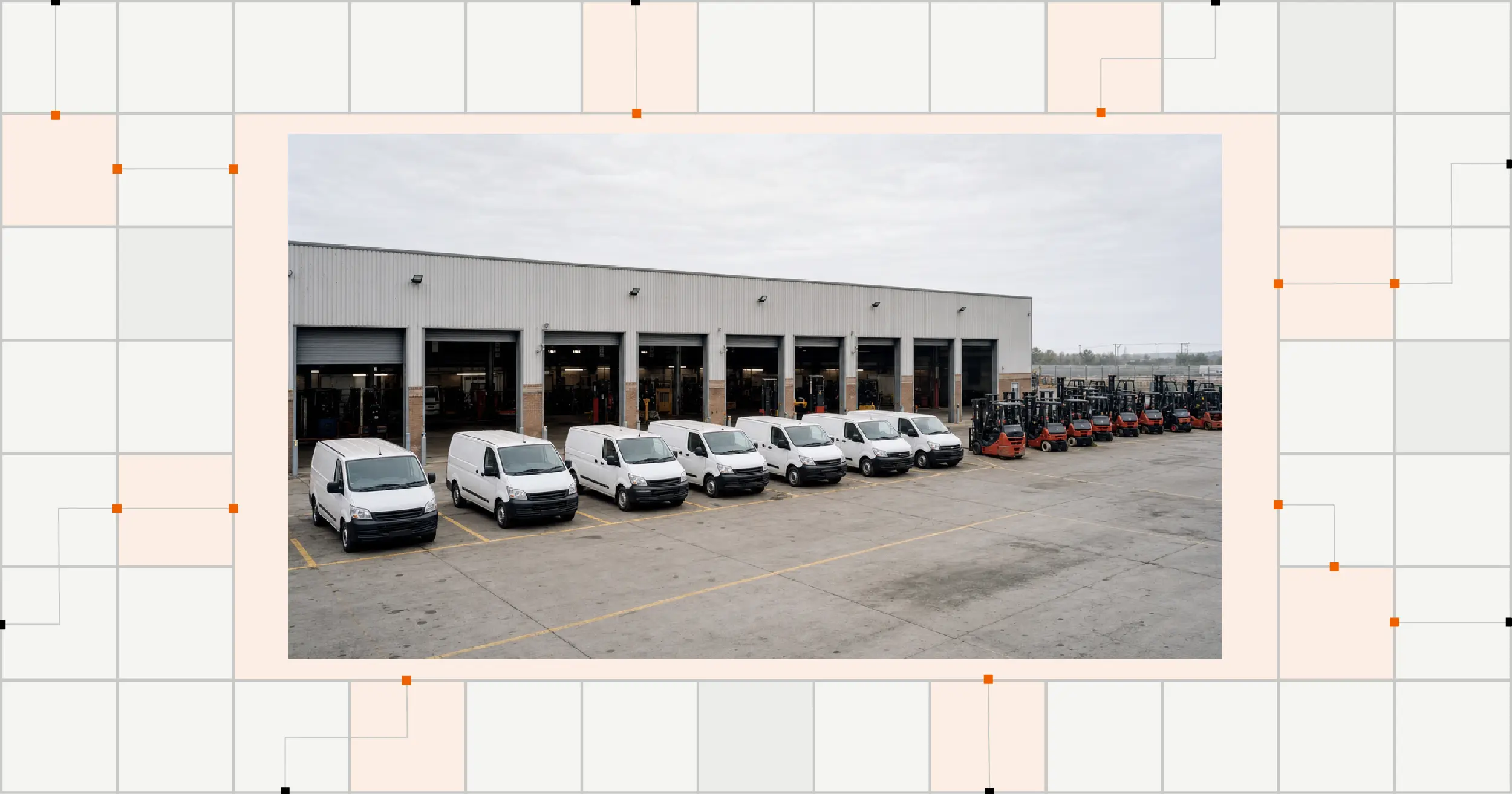
Regional and national dealer groups
Dozens of branches, hundreds of technicians, and a mix of systems inherited through acquisition. The problem is consistency: the same process at every site, without a rollout that stops the business. MSPLift deploys site by site, shaped to how each branch already works.
use cases
Where MSPLift earns its place
Three situations dealers tell us made the difference.
the team
The team is the product
You do not buy software and disappear into a ticket queue.
onboarding
One facility at a time
What happens after you book, and how the rollout runs once you decide.
common questions
Before you get in touch
A real person gets back to you. We will ask how your technicians work now, what system you run, and where the time goes. If we are not a fit, we will say so.

